
Changes were made to Nutrition labeling to offer consumers more information than before and make information more visible by increasing its size and location.
The changes include:
- Servings: Font sizes can be larger and bolder “to allow consumers access to the information they need about the foods they eat.” Serving Size changes “must be based on amounts of foods and beverages that people are actually eating, not what they should be eating“. An example was made with ice cream; previously the recommended serving of ice cream was 1/2 cup or 12 ounces. This recommended serving has changed to 2/3 cup or 8 ounces The label updates explain the change. For certain products consumed in one or multiple sittings, manufacturers will provide “two column” labels to indicate the number of calories and nutrients for both “per serving” and “per package” basis. This two-column label will help consumers understand the caloric and nutritional intake of the whole package.
- Calories: Larger type size with the same goal as the servings section, to give consumers better access to information.
- Daily Values: This section of the label has “been updated based on newer scientific evidence from the Institute of Medicine and other reports“. Manufacturers must declare the actual amount and the percent Daily Value of Vitamin D, Calcium, Iron and Potassium. For other vitamins and minerals, manufacturers can voluntarily declare the gram amount
- Added Sugars: New subsection of Total Sugars: Added Sugars must be included on the label. Single-ingredient sugars have different labeling requirements
- Nutrients Required: This section has been updated to have Vitamin D and Potassium amounts required. Calcium and Iron continue to be required on the label, while Vitamins A and C are no longer required but can be included voluntarily.
- Amounts Declared: Updated to reflect the latest science.
- The footnote * at the bottom of the label provides a better description of what percent Daily Value means.

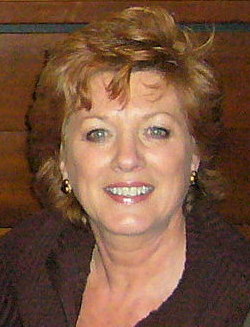
Linda Beach is the founder, sole owner, and Director of Canadian Natural Health Product Registry (CNHPR), operating under Medical Botany Research. Based on Canada’s west coast, Linda has been providing regulatory consulting and compliance expertise to Canadian and international companies since 2004, when Canada’s Natural Health Products Regulations first came into effect.
A Certified Herbalist with a degree in Botany and Medical Research, Linda also holds certifications in several natural and complementary healing modalities. This combination of scientific training and hands-on herbal expertise gives her a unique perspective on the products she helps bring to market — from vitamins and herbal remedies to nutraceuticals, cosmeceuticals, and sports supplements.
Over her two decades working directly with Health Canada, Linda has built strong working relationships with regulators that have translated into consistent success in securing Natural Product Numbers (NPNs) for her clients. Her advocacy work has had industry-wide impact — including playing a key role in Health Canada’s decision to reinstate hempseed oil to its approved ingredient database after it had been removed, restoring a path to market for products containing the ingredient.
Through CNHPR, Linda guides clients through every stage of the licensing process: developing a tailored regulatory strategy, compiling required documentation, and managing submissions from signing through to Health Canada approval.